Specialist Engineer Brian Fletcher’s 5 Expert Tips for Factory De-installations
Factory de-installations are never simple. But they’re a lot easier when you do them right.
4 min read
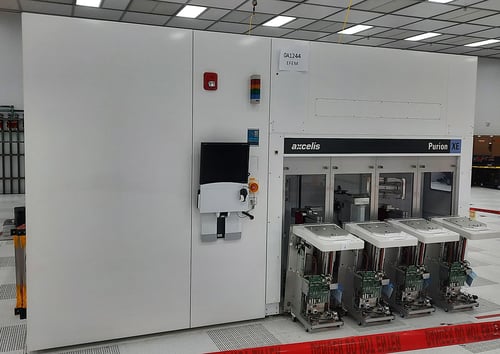
Supporting implant equipment in fabs and cleanroom environments requires a unique combination of technical expertise, problem-solving skills and an in-depth understanding of safety and contamination protocols.
At IES, we’ve been providing expert engineering support for global original equipment manufacturers (OEMs) and semiconductor manufacturers since 1991.
Over the years, we’ve seen firsthand the key challenges that field service engineers (FSEs) face in these environments - and the best ways to tackle them.
Here are six major challenges FSEs encounter when supporting implant equipment - and our tried-and-tested strategies for managing them.
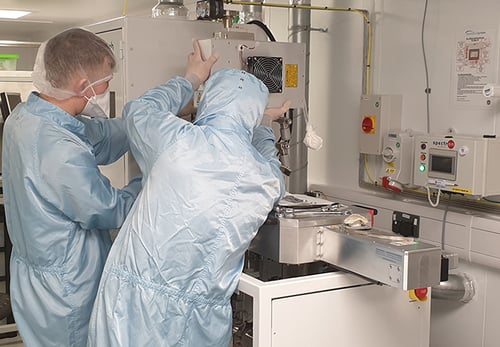
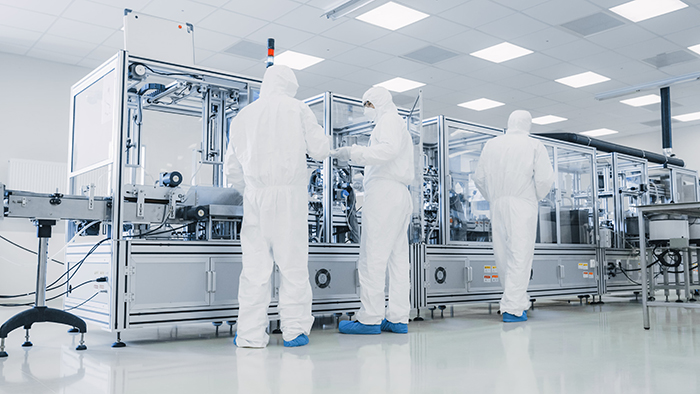
Semiconductor fabs operate in meticulously controlled cleanroom environments. That’s because even the smallest particles of contamination can damage wafers and cause costly production delays.
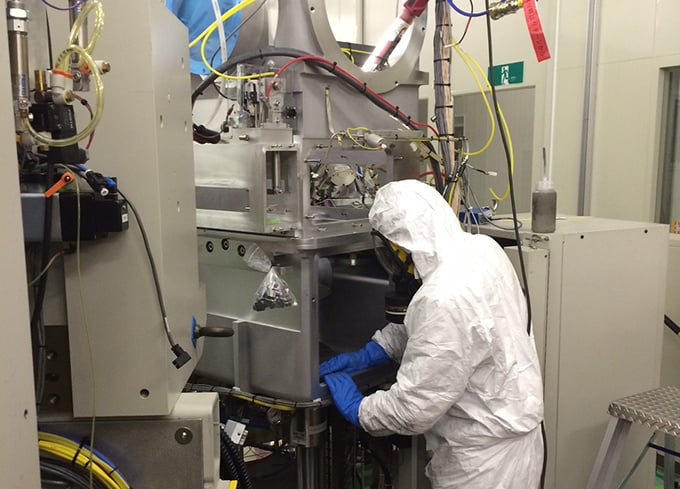
FSEs need to be extremely careful not to introduce any contamination (from dust to skin flakes) during tool maintenance. Otherwise, the consequences could be significant.
We recommend:
Semiconductor fabs typically run around the clock, meaning there’s often very little room for downtime.
This can make it difficult for FSEs to schedule maintenance without interrupting production. That means they must find ways to work around production schedules while ensuring the reliability of implant equipment.
We recommend:
Discover 5 ways FSEs support fabs to keep tools running.
Because ion implantation systems contain such highly complex and intricate components (such as RF power supplies, vacuum systems, electrostatic beam steering mechanisms and precision cooling systems) and failures can arise from such a wide variety of sources, diagnosing failures can be time-consuming and challenging.
FSEs will need to have deep expertise in multiple engineering disciplines - including mechanical, electrical and software engineering - as well as knowledge of and experience using advanced troubleshooting methods and tools.
We recommend:
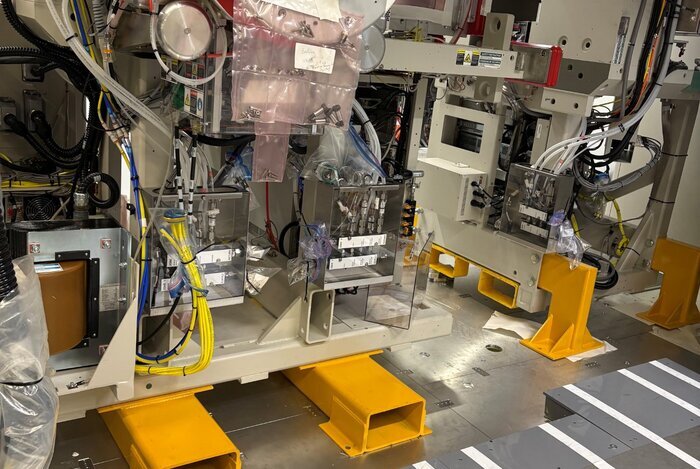
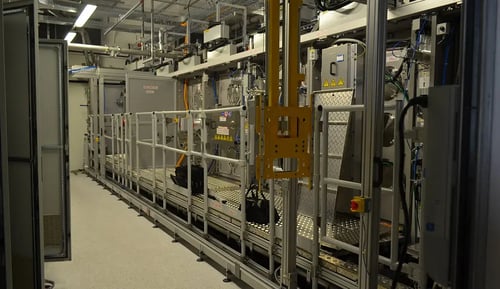
Implant equipment is often densely packed inside fabs to maximise production efficiency. Because of that, FSEs can find themselves working in significantly tight and confined spaces.
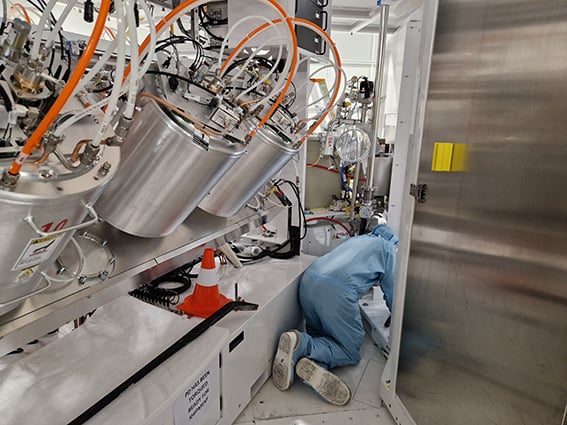
This can make manoeuvring difficult and require engineers to bend, stretch and reach into awkward positions for extended periods, increasing the risk of fatigue and repetitive strain injuries. As well as increasing the risk of accidents and injuries from handling heavy tools and components in cramped spaces.
We recommend:
Semiconductor technology is constantly evolving.
FSEs must balance continuously updating their knowledge and skills to keep up with new implant tools with being able to maintain legacy equipment that’s still in operation.
This makes training and adaptability more critical than ever.
We recommend:
Maintaining implant equipment in fabs requires effective communication between all parties involved and precise documentation.
But, for this to happen, FSEs must be able to coordinate with multiple teams and stakeholders (including fab operators, process engineers and safety personnel) to ensure that maintenance and repairs are conducted smoothly and efficiently.
We recommend:
Keep your operations running smoothly with IES on-site engineering support. Our experienced engineers provide flexible, expert assistance to minimise downtime, maximise equipment uptime, and help your team maintain productivity when it matters most.

Factory de-installations are never simple. But they’re a lot easier when you do them right.
In semiconductor manufacturing, even brief equipment downtime can have serious consequences, from missed production deadlines to increased...